
80% of Nigerians Sponsored for Overseas Training Failed to Return, FG Says
The Federal Government has disclosed that it spent ₦220 billion sponsoring Nigerians for overseas training over a 10-year period, with about 80 per cent of beneficiaries failing to return to the country after completing their programmes.
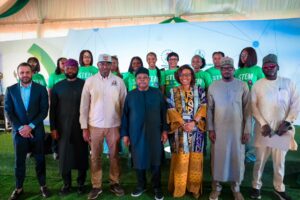
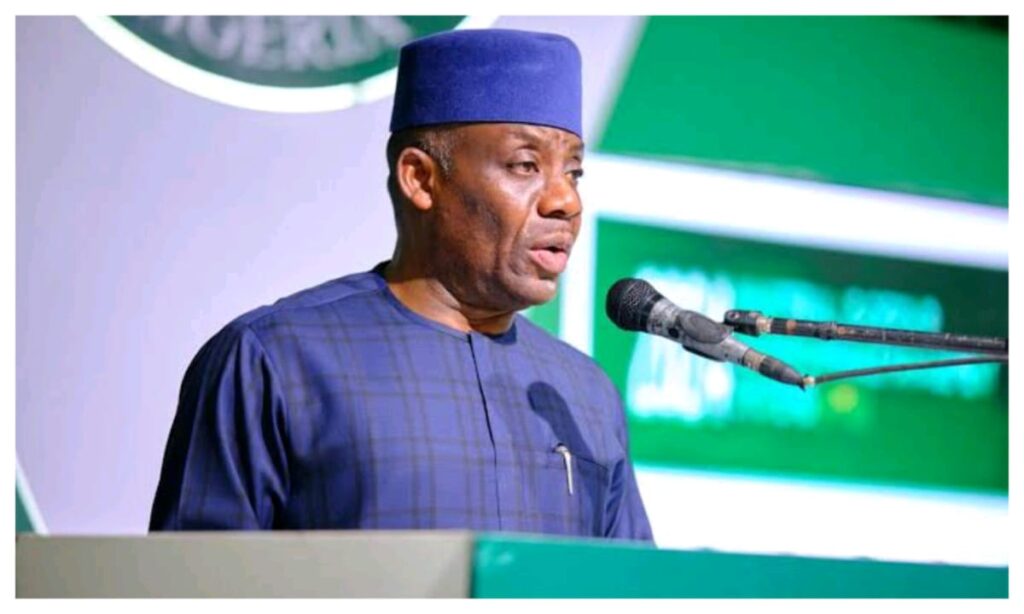
The Minister of Education, Dr Tunji Alausa, disclosed this on Thursday evening during the inauguration of the RHV–ROBOMED Robotic Academy at Redeemer’s Health Village, Redemption City, Ogun State.
Alausa described the development as a major setback to the country’s efforts to strengthen its education system, explaining that the failure of most beneficiaries to return undermined the expected benefits of the investment.
According to him, the government has discontinued the foreign training sponsorship programme and redirected resources towards building specialised training facilities within Nigerian institutions.
He said the decision was informed by the need to ensure that public funds invested in professional training translated into lasting benefits for the country.
“Over 10 years, TETFund invested ₦220bn in sending people abroad to go and train. And guess what? 80 per cent of those people did not come back to Nigeria,” the minister said.
Alausa explained that the government had shifted its focus to strengthening local institutions through the establishment of Centres of Excellence in public and private universities.
He disclosed that 28 such centres had been established across 23 universities, comprising 18 public and five private institutions, with the newly inaugurated robotic surgery academy expected to become the 29th centre under the Tertiary Education Trust Fund (TETFund) initiative.
The minister also assured that eligible medical professionals undertaking specialist training at the academy would receive financial support through TETFund.
“What we are going to do is that we will make this part of the TETFund-funded Centre of Excellence. Any student that is going to go will be completely funded by TETFund,” he said.
He added that the Federal Government had invested more than ₦250 billion in medical education infrastructure over the past two years, including the provision of simulation laboratories and the rehabilitation of facilities in more than 24 medical schools.
Alausa further commended Nigerian medical professionals in the diaspora for contributing to the establishment of the robotic surgery academy, urging others to support efforts to develop specialised expertise within the country.
Earlier, the Chief Executive Officer of Redeemer’s Health Village, Adedamola Dada, said the academy planned to train 400 specialists within two years.
Dada disclosed that the institution had acquired two robotic systems valued at approximately $4 million, with one intended for surgical procedures and the other for training.
He said the programme would train surgeons, nurses, biomedical engineers and other healthcare professionals to support the expansion of robotic-assisted surgery in Nigeria.
The RHV chief executive also appealed to the Federal Government to provide scholarships for postgraduate medical trainees enrolled in the programme.
In response, Alausa reaffirmed the government’s commitment to supporting specialist training within Nigeria, stressing that developing domestic expertise and infrastructure would help reduce dependence on foreign institutions.