
From Consultation To Policy Action: Repositioning The National Youth Service Corps For National Development
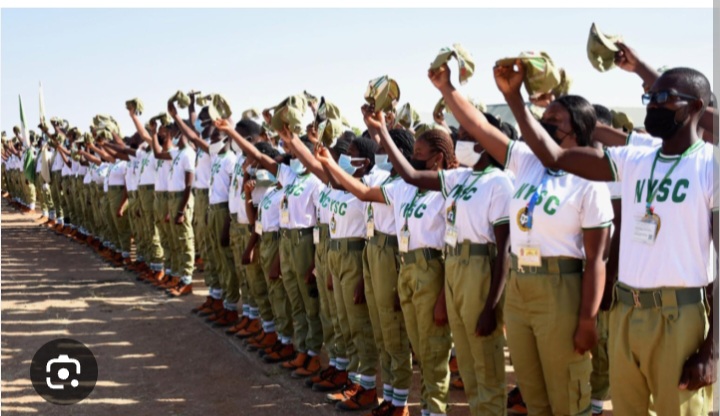
Every Nigerian has an opinion about the National Youth Service Corps (NYSC). Bring it up in a barber’s shop in Kano, a restaurant in Enugu, or a WhatsApp group of old classmates in Lagos, and the conversation almost always turns passionate. Some would insist the scheme has outlived its usefulness and should be scrapped. Others would defend it fiercely as one of the few institutions still binding the country together. In between would be quieter, more persistent worries: about security, about welfare, about deployment, about whether a compulsory year of service still equips young graduates for the world they are about to enter.
None of this is new. Since 1973, every generation of Nigerians has, in its own way, asked the same question: should the NYSC design remain static, or should it change with the country it serves? Now, 53 years later, the debate seems to be ending with the firm decision of the federal government for a comprehensive reform of the scheme.
The framework for the latest reform effort, driven by the administration of President Bola Ahmed Tinubu, was last week ratified by the Federal Executive Council. This framework was, however, not built by the government behind closed doors. It came through months of deliberate talking with and listening to Nigerians from different walks of life.
The story began with a series of quiet but searching conversations about what NYSC was really for months before any recommendation ever reached the council chambers. Was its relevant and operational structure still fit for purpose? Did the way corps members get deployed still make sense for a country trying to build its economy sector by sector? Were corps members safe? Could national service become something more like a genuine platform for skills, productivity and youth empowerment, rather than a formality to be endured?
These were not questions that could be answered from behind a desk. Providing effective answers to these probing matters demanded intensive research, technical reviews, and structured engagements with the very people whose lives the scheme touches every year. This philosophy of engagement would come to define the work of the NYSC Reform Committee and set this reform effort apart from those that came before it.
That philosophy took formal shape on 6 May 2025, when the Federal Government inaugurated the NYSC Reform Committee. The Committee had a clear mandate: undertake a comprehensive review of the scheme, identify its structural and operational gaps, and propose reforms that would reposition it for the future – all without losing its role as a symbol of national unity.
might have been a few years ago. In May 2026, the Chief Executive Office of Moniepoint, one of Nigeria’s leading fintech companies, Mr. Tosin Eniolorunda, set off a national conversation when he revealed that his company had hundreds of job vacancies it simply could not fill, not for lack of applicants, but for lack of candidates with the practical skills that meet global standards. The remarks were contentious, but they reopened a conversation Nigerians know well: that youth unemployment is not only a story about too few jobs, but also about the persistent gap between what graduates know and what employers need. This is precisely where the NYSC reform finds its deeper relevance. By moving corps members out of generic, often idle postings and into structured deployment built around real sectors of the economy, the scheme is being repositioned to do something it was never quite built to do before: prepare corps members for the market they are about to enter. Rather than simply fulfilling a national service requirement, corps members will increasingly graduate from the scheme carrying competencies that employers like Moniepoint say they are struggling to find, making the reformed NYSC as much a workforce readiness programme as it is an act of national service.
All the musings, technical reviews and collation and analysis of consultations culminated on 29 June 2026, when the Federal Executive Council, led by President Bola Ahmed Tinubu GCFR, gave its approval to the NYSC Reform Framework. It was a milestone, not an ending: the moment when a year of sustained evidence, argument, and consultation finally became government policy.
What happens next will be the real test, and it will not look like the reform’s most visible moments. Before any corps member enters a specialised stream, the scheme’s backend must be rebuilt: the NYSC Act reviewed and amended, a Director General and Executive Directors appointed, the scheme restructured internally, camps brought up to a minimum standard, and leadership put in place across the streams. This is the unglamorous work of institution building, and it will take the time it takes.
The Office of the Special Adviser to the President on Policy and Coordination remains committed to seeing it through precisely because a reform built on consensus, deserves a foundation as solid as its ambition. If the NYSC’s founders wanted a scheme that could unite Nigeria, this generation’s reformers want one that can also equip it: one corps member, one skill, one deployment at a time, once that foundation is in place to carry them.